Blogs

All Success Stories Wedding Tips Relationship Advice Horoscope Compatibility

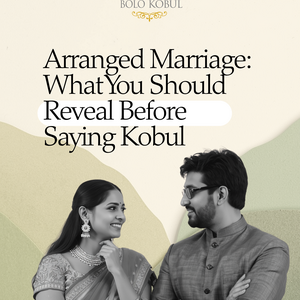
Arranged Marriage: What You Should Reveal Before Saying “Kobul”

Blog
Arranged marriages have evolved. What once relied heavily on family reputation and surface-level compatibility has now grown into a more thoughtful, transparent, and emotionally aware process. Today, saying “yes” is not just about two families agreeing - it’s about two individuals choosing a life together with clarity. And clarity begins with honesty. But here’s the tricky part: what exactly should you reveal before marriage? Oversharing too soon can overwhelm, while hiding important truths can damage trust later. So where do you draw the line? Let’s talk about the essentials. 1. Your Past - Not Every Detail, But the Truth That Matters You don’t need to narrate your life like a Netflix series, but significant past relationships, engagements, or anything that could resurface later should not come as a shock after marriage. The goal isn’t confession—it’s context. If your past has shaped your present in a meaningful way, your partner deserves to know. 2. Financial Reality (Not Just the Instagram Version) Income, loans, family responsibilities, spending habits—these aren’t “after marriage discussions.” They are before marriage necessities. A mismatch in financial expectations is one of the most common sources of conflict. Whether you’re supporting your parents, paying off a loan, or have a different saving style, transparency here builds long-term stability. 3. Career Goals and Life Plans Do you want to settle abroad? Take a career break? Switch industries? Build a business? These are not small details—they shape your lifestyle, time, and priorities. A marriage works better when both people are aligned (or at least aware) of each other’s ambitions. 4. Health - Physical and Mental This is often avoided, but it shouldn’t be. Any serious medical condition, ongoing treatment, or mental health concern should be discussed with sensitivity and honesty. Marriage is a partnership, and partnership includes being prepared for each other’s realities—not discovering them unexpectedly. 5. Family Expectations and Boundaries In arranged marriages, you don’t just marry a person—you marry into a family system. Will you live with in-laws? Are there strong family traditions? How involved are families in decision-making? Being clear about expectations avoids silent resentment later. 6. Personal Values and Lifestyle Choices Religious practices, social life, friendships, travel preferences, even something as simple as how you like to spend weekends—these define compatibility more than biodata ever will. It’s not about being identical; it’s about understanding differences early. 7. Non-Negotiables Everyone has them, but not everyone communicates them. Whether it’s career continuation, children, location, or lifestyle choices - be clear about what you cannot compromise on. It saves both people from future heartbreak. So, How Do You Share All This Without Making It Awkward? Not everything needs to come out in one conversation. Think of it as layers, not a checklist. As comfort grows, conversations should naturally deepen. The key is intention—are you trying to impress, or are you trying to be understood? Because in the end, arranged marriage is not about finding a “perfect” person. It’s about finding someone who knows your truth—and still chooses you. And maybe that’s where real compatibility begins.
Read Full Story →

Not Old-Fashioned, Just Smart: Modern Arranged Love

Blog
Let’s get this out of the way: no, your parents’ arranged marriage isn't the outdated relic you think it is. In fact, it might be the most efficient, emotionally intelligent, and drama-free way to find a life partner in 2026. Hot take? Maybe. But when you’ve been on 37 mediocre dates, unmatched by 83 gym bros, and ghosted by three guys named “emotionally available,” you start to wonder: what if we’ve been doing this wrong? Enter: arranged marriage. But not the Bollywood version where your dad picks a stranger from the same zip code and you marry him after one cup of tea. We’re talking about the new-age, consent-first, compatibility-focused arranged matchmaking revolution. And no one is leading it better than www.Bolokobul.com. Modern Matchmaking Isn’t What You Think The words "arranged marriage" still trigger mental images of forced unions, awkward biodata exchanges, and being judged for not liking ghee. But here’s what you don’t see: Couples who skipped five years of casual heartbreak and instead asked the right questions first. People who didn’t spend months decoding mixed signals because they were too busy planning a future—together. Partners who met through matchmakers like Bolokobul, built on aligned values, and chose commitment with full clarity. It’s not just romantic. It’s radical. Dating Apps Sell You the Dream. Arranged Matches Deliver the Reality. Dating app promises “the one” is just a swipe away. Reality: endless scrolling, shallow connections, and surface-level attraction that burns out faster than a trending reel. Modern dating has turned love into a numbers game. And guess what? You’re losing. A Harvard Business Review study showed that decision fatigue in online dating leads to dissatisfaction and higher breakup rates. That’s because we treat dating apps like Netflix—endlessly browsing but rarely committing. Arranged marriage flips the script. It puts intention front and center. No swipe fatigue. No breadcrumbing. No “hey” at 2AM. Just mutual respect, clarity, and structured discovery. The Most Emotionally Intelligent People Are Choosing Arranged Matches There’s a growing class of millennials and Gen Z professionals who are quietly opting for matchmaker-supported connections. And not because they’re desperate—because they’re done wasting time. They want: • Emotional maturity • Shared values • Family compatibility (yes, it still matters!) • A life built on communication, not chemistry alone Arranged marriage isn’t regressive. It’s just rebranded commitment—the kind that filters out chaos and brings in clarity. Meet Bolokobul: The Matchmaking Platform for Smart People At Bolokobul, we’ve facilitated 100+ successful matches—not by forcing people together, but by building a process that honors both tradition and transparency. You get: • Real humans, not just algorithms • Profiles reviewed for seriousness and sincerity • Guidance in asking the hard questions early (kids? finances? long-distance?) • And support for navigating family expectations without losing yourself We’re not anti-dating. We’re just pro-intentionality. Arranged Marriage Isn’t Just Practical. It’s Romantic AF. There’s something wildly romantic about two people saying, “I choose you”—not because of a perfectly posed selfie or shared love for tacos, but because they’ve taken the time to understand each other’s lives. In a world where love is cheap and attention is currency, making a deliberate, values-aligned decision is the ultimate love story. You don’t need to fall into love. You can walk into it, eyes wide open, hand in hand.
Read Full Story →

No Need to Panic: Arranged Marriages Are Not What You Think

Blog
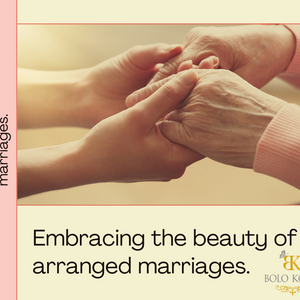
When the topic of arranged marriage comes up, some people might instantly feel a chill down their spine, imagining awkward conversations, forced smiles, and a lifetime of "What ifs?" But before you break into a sweat, let’s take a step back and ask—why be scared of arranged marriage? First off, arranged marriage is not about being pushed into a relationship with a complete stranger. It's more like having your own personal team of matchmakers (aka your family) who have your best interests at heart. They’re not just picking anyone off the street; they’re carefully vetting, investigating, and comparing notes, all to find someone who checks your boxes—sometimes even the ones you didn’t know you had. Think of it this way: while dating apps might match you with someone based on a quick swipe, an arranged marriage setup is like having a highly personalized algorithm, except this one includes your mom’s sixth sense and your dad’s knowledge of the extended family tree. Plus, in the age of platforms like Bolo Kobul, you get the best of both worlds—tradition and technology. You can connect with your potential partner, chat, and decide at your own pace, all with the safety net of cultural compatibility and family support. And let’s not forget, arranged marriages often come with an entire entourage of advice, support, and the occasional pep talk from well-meaning relatives. Sure, it can be overwhelming, but it’s also a process grounded in community, values, and, ultimately, love. So, why be scared? Embrace it. After all, in an arranged marriage, you’re not walking into the unknown alone—you’re stepping into a journey backed by generations of wisdom, with a little help from modern-day matchmaking magic.
Read Full Story →

The Right Age for Marriage: Balancing Tradition and Personal Readiness

Blog
Deciding on the right age to get married is a topic that often sparks lively debates, especially in a culturally rich and diverse society like Bangladesh. The "right" age can vary greatly depending on individual circumstances, societal expectations, and personal preferences. Cultural and Familial Expectations In many Bangladeshi families, there's often an expectation to marry at a certain age. For women, this might be in their early to mid-20s, and for men, it might be in their mid to late 20s. These expectations are rooted in traditions and the idea of starting a family while still young. However, it's essential to balance these expectations with personal readiness. You might get nudged by your aunties at every family gathering, saying, “You’re not getting any younger!” But remember, they're also the ones who believe ginger tea can cure anything. Educational and Career Goals Modern couples, especially in urban areas, are increasingly prioritizing education and career stability before tying the knot. Achieving certain educational or career milestones can provide financial stability and personal fulfillment, which are crucial for a healthy marriage. As you climb the corporate ladder or finish that PhD, you might hear, “Aren’t you going to settle down yet?” Just remind them, “I’m settling down… with my books and a paycheck!” Emotional and Psychological Readiness Marriage requires a significant level of emotional maturity and psychological readiness. Understanding oneself, developing emotional intelligence, and being ready to share your life with someone else are crucial factors. Financial Stability Being financially stable can alleviate many potential stressors in a marriage. Having a steady income, savings, and financial planning in place before getting married can provide a solid foundation for your new life together. You don’t need to have a mansion in Gulshan or Dhanmondi, but having more than just lint in your pockets is a good start. Societal Changes and Trends With changing societal norms, the age of marriage is also shifting. More people are choosing to marry later, prioritizing personal growth and experiences before settling down. In today’s world, it’s perfectly fine if your “engagement” is with your job or travels for a few extra years before it’s with a person. There isn’t a one-size-fits-all answer to the right age for getting married. It’s about finding a balance between cultural expectations, personal readiness, and life goals. Whether you choose to marry young or wait until you’re more established, the key is to ensure that both you and your partner are ready for the commitment. So, whether you're 25 and ready to dive into marital bliss or 35 and still exploring life, remember, it’s not about when you get married, but how ready and willing you are to make it work. After all, a well-timed marriage, much like a well-cooked biryani, is worth the wait!
Read Full Story →

CV vs. Biodata: The Tale of Two Documents

Blog
In the world of Bangladeshi matrimony, the choice between a CV and a biodata can feel as significant as choosing between pithas or mishti for dessert. While both documents aim to showcase one's qualifications and attributes, they serve different purposes in the quest for finding the perfect life partner. Let's delve into the differences, and why a CV might not cut it while a biodata reigns supreme. CV: The Corporate Resume Purpose: A CV, short for Curriculum Vitae, is a detailed document highlighting an individual's professional qualifications, work experience, and educational background. It's the go-to document for job applications, career advancements, and impressing HR managers. Context: In Bangladesh, presenting a CV for matrimony might raise eyebrows faster than you can say "dhoka pitha." While impressive career achievements are admirable, they don't necessarily translate into marital bliss. Your ability to excel in corporate boardrooms doesn't guarantee success in navigating family dynamics or cooking a perfect pot of biryani. Imagine trying to impress your potential in-laws with your proficiency in Excel spreadsheets or your knack for corporate jargon. Unless they're hiring for a CFO position, your CV might end up in the recycling bin faster than you can say "annual report." Biodata: The Personal Portrait Purpose: A biodata, on the other hand, is a personalized document that provides a snapshot of an individual's personal, family, and cultural background. It includes details such as age, height, religion, family values, hobbies, and preferences, offering a holistic view of the person beyond their professional accolades. Context: In Bangladeshi culture, marriage isn't just about two individuals coming together—it's about merging families, values, and traditions. A biodata serves as a roadmap for compatibility, helping families assess whether two individuals are a suitable match beyond surface-level qualifications. Picture a biodata as your passport to the world of matrimony—a colorful mosaic of your personality, family lineage, and aspirations. It's your chance to showcase your love for traditional ilish bhapa alongside your penchant for binge-watching Bangla dramas. Why Biodata Reigns Supreme Cultural Compatibility: A biodata provides insights into shared values, religious beliefs, and family expectations, essential considerations in Bangladeshi matrimony. Holistic Assessment: Beyond professional achievements, a biodata paints a comprehensive picture of an individual's personality, interests, and lifestyle preferences. Family Involvement: Biodatas facilitate family involvement in the matchmaking process, ensuring compatibility not just between individuals but also between families. In the realm of Bangladeshi matrimony, a biodata isn't just a document—it's a cultural artifact, a matchmaking tool, and a testament to the intricacies of familial bonds. So, leave your CV at the office, and embrace the whimsical world of biodatas on your journey to "happily ever after." In a world where love is often entwined with tradition, a biodata serves as the compass guiding two souls towards a shared destiny. So, dust off your pen, polish your storytelling skills, and let your biodata be the enchanting tale that sparks the beginning of your matrimonial adventure.
Read Full Story →

Denmohor: A Symbol of Love and Security in Marriages

Blog
Denmohor, also known as "dower" or "mahr," is a significant aspect of marriage in Bangladesh, particularly in the context of Islamic marriage contracts. It refers to the amount of money or property that the groom pledges to give to the bride as a token of his commitment and financial security for her. The denmohor serves as a form of financial protection for the bride in case of divorce or widowhood. In Bangladesh, the denmohor is often negotiated and agreed upon by the families of the bride and groom before the marriage ceremony takes place. The amount of denmohor can vary depending on various factors, including the financial status of the groom and the customs of the families involved. The denmohor holds significant cultural and religious importance in Bangladeshi society, reflecting the groom's responsibility to provide for the bride and ensuring her financial well-being. It symbolizes respect for the bride and underscores the importance of fairness and equity in marriage. Cultural Significance Symbol of Respect: The denmohor symbolizes the groom's respect and appreciation for the bride and her family. By offering a denmohor, the groom acknowledges the value and worth of the bride, highlighting her importance in the marriage. Financial Security: In many Bangladeshi families, the denmohor serves as a form of financial security for the bride. It provides her with a tangible asset that she can rely on in case of unforeseen circumstances such as divorce or widowhood. This financial stability is particularly important in a society where women may have limited access to resources and economic opportunities. Family Honor: The negotiation and payment of denmohor are often seen as a matter of family honor. It reflects positively on the groom and his family, demonstrating their commitment to upholding traditional values and fulfilling their responsibilities towards the bride and her family. Religious Significance (Islamic Perspective) Fulfillment of Islamic Obligations: In Islam, the denmohor is considered an integral part of the marriage contract (nikah). It is mentioned in the Quran as a requirement for the groom to provide a gift or dowry to the bride as a symbol of his commitment and responsibility towards her. The Quran states: "And give the women [upon marriage] their [bridal] gifts graciously. But if they give up willingly to you anything of it, then take it in satisfaction and ease" (Quran 4:4). Protection of Women's Rights: Islam emphasizes the importance of protecting women's rights and ensuring their well-being within the marital relationship. The denmohor serves as a form of protection for the bride, providing her with financial security and independence. It underscores the principle of fairness and equity in marriage, ensuring that both parties are treated with respect and dignity. Spiritual Symbolism: Beyond its practical significance, the denmohor also carries spiritual symbolism in Islam. It symbolizes the groom's commitment to fulfilling his marital responsibilities and providing for his wife's needs. It is viewed as a gesture of love, generosity, and kindness towards the bride, reflecting the values of compassion and empathy taught in Islam. While the denmohor is traditionally given to the bride at the time of marriage, modern interpretations may allow for flexibility in how and when it is provided. However, regardless of the form it takes, the denmohor remains an integral part of Bangladeshi matrimonial customs, embodying the values of commitment, responsibility, and care within marriage.
Read Full Story →

Why Be Scared of Arranged Marriage? Busting the Myths and Embracing the Journey

Blog
Arranged marriages often evoke a mixture of apprehension and curiosity. While the concept might seem daunting, especially for those unfamiliar with it, there are numerous reasons why one shouldn't be scared of arranged marriage. Let’s explore the common fears and why they might be unfounded for those living in Bangladesh or abroad. The Fear of the Unknown Myth: "I don't know the person well enough. What if we’re not compatible?" Reality: In arranged marriages today, families and individuals invest time in getting to know potential partners. There are meetings, conversations, and even dating-like experiences to ensure compatibility. It's like a well-organized job interview, but with more tea and samosas. Instance: Think of it as a social media profile—it's not just the picture; it’s about reading the bio, interests, and mutual friends. The Pressure to Conform Myth: "I have no choice in the matter. My parents are forcing me." Reality: Modern arranged marriages are a collaborative effort. Parents might suggest potential matches, but the final decision rests with the couple. It’s more of a guided introduction rather than a forced arrangement. Instance: It’s like your parents being your personal matchmakers, minus the swipe left and right. They’ve just upgraded from Facebook to real-life matchmaking! The Cultural Stereotypes Myth: "Arranged marriages are outdated and regressive." Reality: Arranged marriages have evolved with time. They now blend tradition with modern values, focusing on mutual respect, shared goals, and personal growth. It’s about preserving cultural heritage while embracing contemporary practices. Instance: Imagine combining the best of both worlds—traditional values with modern swag. It’s like having biryani with a side of sushi. The Fear of Missing Out (FOMO) on Love Myth: "What if I don’t fall in love?" Reality: Love in arranged marriages often blossoms over time. The initial connection, based on mutual respect and understanding, lays a strong foundation for love to grow. It’s not about the love-at-first-sight cliché but about building a deep, meaningful relationship. Instance: Think of it as a slow-cooked curry—flavors deepen and get richer with time, unlike fast food which is just quick and forgettable. The Concern About Family Dynamics Myth: "I’ll be marrying the whole family, not just the person." Reality: While family involvement is a significant aspect of arranged marriages, it can also be a source of support and strength. Understanding family dynamics and setting boundaries helps create a balanced relationship. Instance: Yes, it’s a package deal, but think of all the extra hands for household chores and the endless supply of homemade goodies! The Fear of Cultural and Personal Adjustments Myth: "What if I can’t adjust to the new lifestyle or traditions?" Reality: Adjustment is a part of any marriage, arranged or love. The key is open communication and willingness to understand and embrace each other’s backgrounds. This cultural exchange can enrich your life and broaden your horizons. Instance: Adjustments are like trying a new cuisine—you might hesitate at first, but once you develop a taste, you’ll love the variety it brings. The Myth of Compromise Over Happiness Myth: "Arranged marriages require compromising personal happiness for familial obligations." Reality: Healthy relationships involve compromise from both partners, leading to mutual happiness. In an arranged marriage, the support of families can enhance the couple’s happiness, providing a robust support system. Instance: It’s like sharing your Netflix account—initially, you compromise on what to watch, but eventually, you find series that you both love binge-watching together. Embracing Arranged Marriage Instead of fearing arranged marriages, view them as a different path to the same destination—a loving, fulfilling, and enduring partnership. The combination of family support, cultural richness, and modern practices makes arranged marriages a unique and viable way to find lifelong companionship. In the end, it’s not about how you met, but how you build and nurture the relationship. So, whether you’re embarking on this journey in Bangladesh or anywhere else in the world, approach it with an open heart, a positive mindset, and a dash of humor. After all, every love story is unique, and yours will be no exception.
Read Full Story →

Wedding Day Photo Session Tips for Arranged Marriages

Blog
The wedding day is one of the most memorable moments in a couple's life, especially in an arranged marriage where families come together to celebrate the union. Capturing these memories through a photo session is essential. Whether you're in Bangladesh or celebrating abroad, here are some tips to ensure your wedding photos are stunning and heartfelt. Pre-Wedding Preparations Plan Ahead: Discuss the photo shoot with your photographer beforehand. Share your preferences, specific shots you want, and any family traditions or rituals that should be captured. Coordinate Outfits: Ensure the bride and groom’s outfits complement each other. Coordinating with the bridal party’s attire can also create a cohesive look in group photos. Trial Makeup Session: Have a trial makeup and hair session before the wedding day to avoid any surprises. This ensures you look your best and feel confident in front of the camera. Capture the Details Wedding Attire: Get close-up shots of the bride’s lehenga or sari, the groom’s sherwani, and all the intricate details. Jewelry and Accessories: Highlight the bride’s jewelry, the groom’s watch, cufflinks, and other accessories. These small details add richness to the photo album. Henna Designs: Include shots of the bride’s mehendi (henna) designs, as they are a beautiful and traditional part of the wedding ceremony. Family and Friends Group Photos: Ensure you get photos with close family members and friends. Plan some time during the event for organized group photos. Candid Moments: Encourage the photographer to capture candid moments. These natural shots often convey genuine emotions and tell the true story of the day. Generational Photos: Capture pictures with grandparents, parents, and children. These multi-generational photos are priceless and cherished for years. Ceremony and Rituals Document Traditions: Bangladeshi weddings are rich in traditions. Make sure the photographer captures key rituals like the Gaye Holud, Saat Paake Bandha, and the exchange of garlands. Emotional Moments: Focus on emotional moments such as the bride’s entry, the couple’s first look, and the parents’ expressions. These shots convey the heartfelt emotions of the day. The Couple’s Session Natural Poses: Opt for natural, relaxed poses over overly staged ones. Let your love and excitement shine through in the photos. Private Moments: Schedule some time alone for intimate couple shots away from the crowd. These moments can produce some of the most beautiful and personal photos. Use Props: Incorporate props like a decorated rickshaw, traditional umbrellas, or flower garlands to add a touch of cultural charm to your photos. Venue and Décor Location Shots: Capture the beauty of the wedding venue. Whether it’s an elegant hall in Dhaka or a scenic outdoor location abroad, the setting adds context to your story. Décor Details: Get shots of the stage, floral arrangements, table settings, and other décor elements. These details reflect the theme and ambiance of your wedding. Lighting and Timing Golden Hour: If possible, plan some photos during the golden hour (shortly after sunrise or before sunset) when the light is soft and flattering. Indoor Lighting: Ensure good lighting at indoor venues. Soft, diffused lighting works best for flattering portraits and eliminating harsh shadows. Post-Wedding Shoot Day-After Session: Consider a day-after photo session. This allows for more relaxed and creative shots without the time pressure of the wedding day. Scenic Locations: Choose scenic locations for post-wedding shoots. This could be a picturesque spot in Bangladesh or a local landmark if you're abroad. Relax and Enjoy Be Yourself: Relax and be yourself in front of the camera. Genuine smiles and laughter make for the best photos. Trust Your Photographer: Trust your photographer’s expertise. They know how to capture the best angles, lighting, and moments. A well-planned photo session can beautifully capture the essence of your wedding day, highlighting the joy, love, and cultural richness of an arranged marriage. By following these tips, you can ensure your wedding photos are not just pictures but treasured memories that tell the story of your special day.
Read Full Story →

Ensuring the New Bride Feels Like Family, Not a Guest

Blog
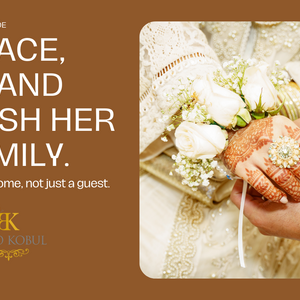
When welcoming a new bride into the family, especially in the context of an arranged marriage, it’s crucial to ensure she feels like a cherished family member rather than a temporary guest. Here are some things to avoid to help her integrate seamlessly into her new home, whether you’re in Bangladesh or abroad. Avoid Overly Formal Treatment Pitfall: Treating the bride with excessive formality can make her feel like an outsider. Solution: Engage with her casually and warmly. Include her in everyday activities and conversations. Share family jokes, stories, and traditions to make her feel part of the family fabric. Avoid Excluding Her from Decisions Pitfall: Making important family decisions without her input can make her feel undervalued. Solution: Involve her in family discussions and decisions, whether it's about household chores, planning a vacation, or budgeting. Her opinions and ideas should be considered just as important as any other family member's. Avoid Isolating Her from Household Responsibilities Pitfall: Shielding her from household responsibilities under the guise of treating her as a guest can backfire, making her feel like she doesn’t belong. Solution: Gradually involve her in daily chores and responsibilities. This not only helps her learn the household dynamics but also fosters a sense of belonging and contribution. Avoid Criticizing or Comparing Her Pitfall: Comparing her to other family members or openly criticizing her actions can make her feel inadequate and out of place. Solution: Offer constructive feedback gently and privately, focusing on positive reinforcement. Celebrate her strengths and achievements to build her confidence and sense of belonging. Avoid Neglecting Her Emotional Needs Pitfall: Failing to acknowledge and address her emotional needs can lead to feelings of isolation and loneliness. Solution: Check in with her regularly about how she’s feeling and coping with the new environment. Offer support and empathy, and encourage her to share her thoughts and concerns openly. Avoid Keeping Her Out of Family Traditions Pitfall: Not including her in family traditions and rituals can make her feel like an outsider. Solution: Make sure to involve her in all family traditions, celebrations, and rituals. Explain the significance behind these practices to help her understand and appreciate them. Avoid Ignoring Her Background and Preferences Pitfall: Disregarding her background, preferences, and personal habits can make her feel unwelcome. Solution: Show respect for her background and integrate her preferences into family life. Whether it’s cooking her favorite dish or respecting her personal routines, these gestures show that you value her individuality. Avoid Overloading Her with Expectations Pitfall: Placing too many expectations and responsibilities on her too soon can be overwhelming. Solution: Allow her time to adjust at her own pace. Gradually introduce her to the family’s expectations and provide support as she learns and adapts. Avoid Overemphasizing Cultural or Regional Differences Pitfall: Highlighting cultural or regional differences excessively can create a sense of division. Solution: Focus on commonalities and shared values. Celebrate both her cultural background and the family’s traditions, creating a harmonious blend that enriches everyone’s experience. Avoid Keeping Her Away from Her Own Family and Friends Pitfall: Discouraging contact with her own family and friends can lead to feelings of isolation and homesickness. Solution: Encourage her to maintain strong ties with her family and friends. Regular communication with her support network can help her feel more secure and supported in her new environment. Creating a welcoming and inclusive environment for a new bride is about balancing respect, inclusion, and empathy. By avoiding these common pitfalls and fostering a sense of belonging, you can help her feel like a true member of the family. Remember, the goal is to build a strong, supportive, and loving family unit where everyone feels valued and at home.
Read Full Story →

How to help the bride to settle down?

Blog
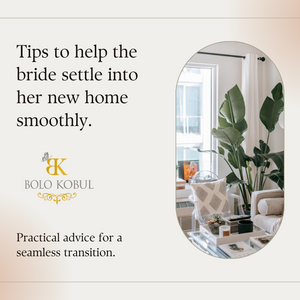
Getting married is a significant milestone, especially in the context of arranged marriages prevalent in Bangladesh. Whether the newlyweds are setting up home in Chittagong or settling in Chicago, helping the bride adjust to her new life is crucial. Here’s how you can ensure a smooth transition for the bride, blending traditional wisdom with modern insights. Warm Welcomes and Open Arms: Bangladeshi Hospitality Make the bride feel welcome with genuine warmth and hospitality. A hearty welcome greetings and a grand feast featuring her favorite dishes can work wonders. But remember, this isn’t just about food - showing that she’s an important part of the family from day one sets a positive tone. Tip: Surprise her with small touches from her home, like her favorite sweet or a familiar brand of tea. These little comforts can make a big difference. Setting Up Her Space: Personal Space Ensure that she has her own space within the home. This could be a cozy corner for her personal belongings or a small setup for her hobbies. This shows respect for her individuality and helps her feel more at home. Tip: Ask her for input on decorating shared spaces or her room. This helps her feel involved and valued. Clear Communication: Family Dynamics Every family has its own dynamics and unspoken rules. Take the time to explain these to her. Clear communication about expectations, traditions, and daily routines can prevent misunderstandings. Tip: Create a friendly family manual or guide. Include quirky family traditions and useful tips. This can be a fun and helpful gesture. Building Bonds: Get-Togethers Encourage family members to spend quality time with her. This can be through regular family dinners, weekend outings, or just casual chit-chat sessions over evening tea. Tip: Host a small family gathering or a fun game night. Interactive activities can break the ice and foster connections. Support Her Hobbies and Interests: Encouragement Support her hobbies and interests. Whether she loves painting, reading, or gardening, showing interest in her passions helps her feel appreciated and supported. Tip: Gift her a membership to a local club or a subscription related to her hobby. It’s a thoughtful way to show that you care. Emotional Support: Listening Ear Moving into a new family can be overwhelming. Be there to listen to her concerns and offer reassurance. Sometimes, all she needs is a sympathetic ear and a comforting presence. Tip: Have regular heart-to-heart conversations. This builds trust and makes her feel more secure in her new environment. Respect Her Boundaries: Personal Boundaries Respect her need for personal space and time. Adjusting to a new family and environment is a process, and it’s important to give her the time and space she needs. Tip: Encourage her to maintain connections with her family and friends. This support network can be crucial during the transition period. Practical Assistance: Daily Help Offer practical assistance with daily tasks. Whether it’s navigating the local area, understanding household routines, or managing finances, a little help can go a long way. Tip: Create a handy guide for local services, nearby markets, and useful contacts. This can make her daily life easier and less stressful. Celebrate Her Achievements: Acknowledgement Celebrate her achievements and milestones, no matter how small. Whether she’s cooked her first meal for the family or landed a new job, acknowledging her efforts boosts her confidence and happiness. Tip: Plan a small celebration or give her a token of appreciation. These gestures make her feel valued and loved. Helping a bride settle into her new home, whether in Bangladesh or abroad, requires patience, understanding, and effort from the entire family. By providing a warm welcome, clear communication, emotional support, and respecting her individuality, you can create a nurturing environment where she feels truly at home. And remember, a bit of humor and light-heartedness can make this journey enjoyable for everyone involved.
Read Full Story →
← আগের 1